
Why Women Lose Their Hair: Female Pattern Hair Loss
Hair loss is not only a men's issue. Estimates suggest as many as half of all women experience noticeable hair loss over their lifetime, and many never realize how many treatment options exist for them.
Female pattern hair loss (FPHL) is most often driven by age, genetics, and the hormonal changes that come with menopause. Its signs mirror male pattern loss: overall thinning and reduced volume, a widening part, and loss at the front or crown.
Both FPHL and male pattern loss are forms of non-scarring alopecia, where the active growth phase of the hair cycle shortens and follicles produce less over time. FPHL affects up to 40 percent of women by age 50, and for some it can begin not long after puberty.
Overall thinning and reduced volume
A widening part
Loss at the front or crown

Finding the Cause Comes First
Before any treatment, it is essential to determine the actual cause of your hair loss, and for women this step matters more than anything else.
The cause shapes everything that follows. It determines whether you have eligible, stable donor hair for a transplant, and if a medical condition is behind the loss, that condition often needs to be treated or resolved first.
It is also why a transplant is not always the right first step for a woman. Female hair loss is frequently diffuse, spread across the whole scalp, which can mean the donor area is thinning too. In those cases, the honest answer is often medical therapy rather than surgery.
Treatment Options for Women's Hair Loss
Once we understand the cause, we build a plan from a full range of options, starting with the least invasive.
Medical therapy
For most women, this is the place to start, and often it is enough on its own. We worked with a pharmacy to develop a line of medications that both slow loss and stimulate regrowth.
Low-level laser therapy
Red light therapy energizes follicle cells and stimulates growth. It is a strong option for women who are not surgical candidates or who have global thinning, and a supplement after a transplant.
Regenerative and non-surgical therapies
Newer regenerative options use your own cells to support the follicles you already have.
Surgical restoration
When a transplant is appropriate and you have eligible donor hair, no-shave FUE and FUT restore density without shaving your head, covered in the next section.
Hair Transplant for Women: No-Shave FUE and FUT
When surgery is the right step, the priority for women is restoring density without shaving your head. That is why we focus on two approaches.
No-Shave Manual FUE
Follicles are harvested and placed one at a time while keeping your existing hair its length, so there is no visible sign you have had anything done.
FUT
This takes a strip of donor hair from a concealed area at the back of the head, so there is no need to shave, and it provides maximum coverage in a single session.
Every woman is different, and we assess your hair and goals individually before recommending FUE or FUT.
Is a Hair Transplant Right for You?
A female hair transplant may be right for you if your loss is patterned rather than diffuse, you have a stable donor area, and any underlying medical cause has been addressed.
If your loss is diffuse or driven by an untreated condition, medical therapy or laser is usually the better place to start, and we will guide you there. It all begins with an assessment to learn why your hair loss is happening, followed by a plan tailored to you.
Results That Speak for Themselves
Every woman's hair is different, but the goal is always the same: restored density and fullness that looks completely natural and blends seamlessly with your existing hair. Our work focuses on the details that matter, like the right graft placement, a natural growth direction, and a soft, believable hairline, so the results look like they were always yours.
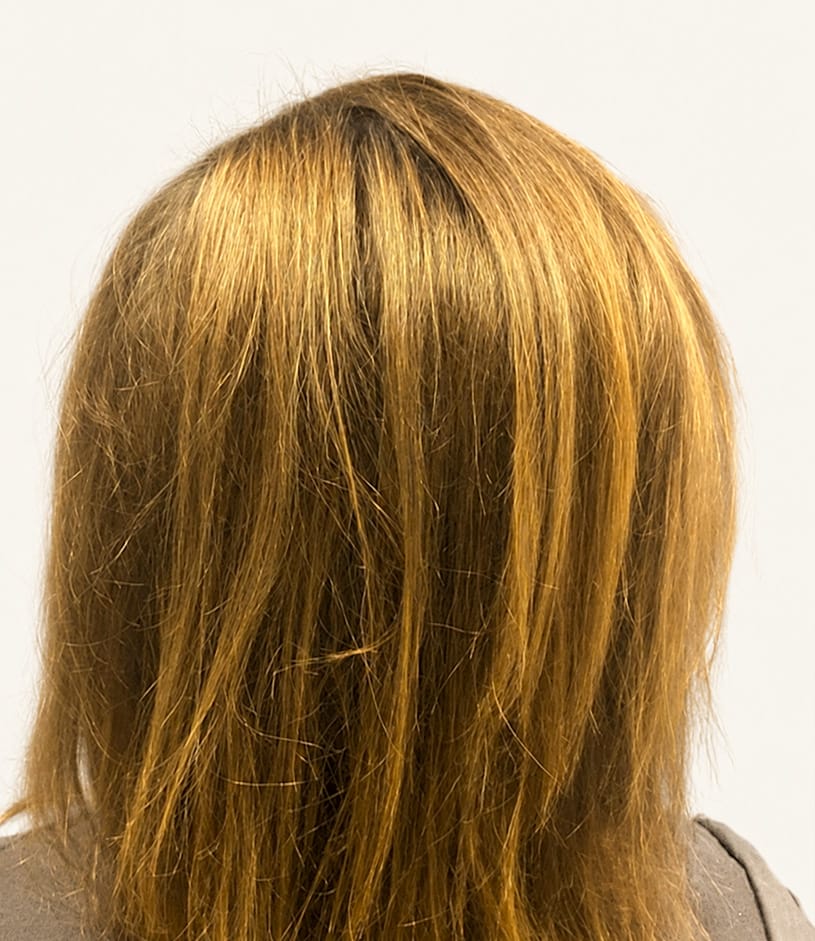
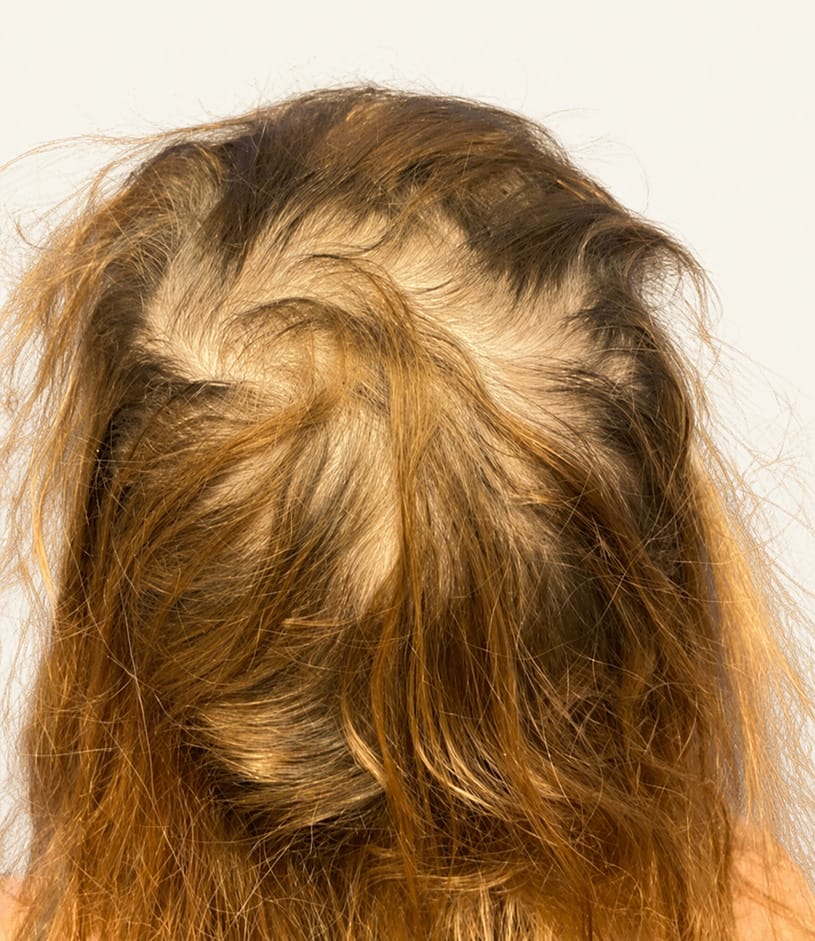
Tailored to your plan
The cost depends on which option is right for you, from medical therapy to a surgical procedure, and we review all of it transparently at your consultation, with no surprises.
To make treatment accessible, we offer financing through Cherry and CareCredit, so you can move forward on a timeline that works for you.


Omaha's Top Solution for Women's Hair Restoration
Hair Transplant for Women FAQs
Yes, when the loss is patterned and there is eligible donor hair. Diffuse loss, which is common in women, is often better treated medically.
Take the First Step
Losing your hair is hard, and taking the first step can feel daunting. We start by understanding why it is happening, then build a plan tailored to you, with compassion and no pressure.
Please complete the form book a consultation and check availability.